

NYC Worker Rights:
What Every Employee Should Know

Your Guide to Employee Rights in New York City
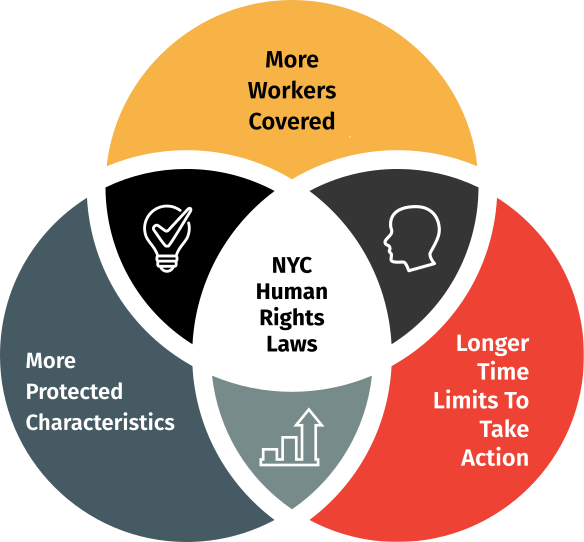
New York City has some of the strongest worker protections in the country. In many situations, the New York City Human Rights Law provides broader and more employee-friendly rights than federal law, covering more workers, more protected characteristics, and longer time limits to take action.
This page is a starting point for understanding your rights as a worker in NYC. It is designed for employees, freelancers, and contractors who believe something at work feels wrong but aren’t sure which law applies or where to start. Below, you’ll find an overview of common workplace issues and links to in-depth resources on specific employment law topics, so you can quickly identify where your situation fits and what steps may be available to you.
Who Is Protected Under NYC Employment Law?

Employees

Unpaid Interns

Contractors & Freelancers


Employer coverage is broader as well. Most NYC Human Rights Law protections apply to employers with four or more employees, while sexual harassment protections apply to employers of any size.
Know Your Rights: Common Workplace Violations in NYC
New York City workers face violations that directly impact their income, job security, and dignity at work. Some of the most common issues include:
- Denial of overtime pay or off-the-books payment
- Misclassification as an independent contractor
- Discrimination in hiring, promotions, or termination
- Harassment that creates a hostile work environment
- Retaliation after reporting misconduct or requesting accommodations
- Termination that violates contracts or workplace laws
- Your employer pays you under the table and refuses to provide pay stubs
- You are denied a promotion after requesting a religious or pregnancy accommodation
- You are disciplined shortly after reporting harassment or unsafe conditions
- Your schedule is changed at the last minute without required notice or additional pay
Why NYC Worker Protections Are Different

Common Employment Issues Facing NYC Workers








What to Do If Your Rights Are Violated

Understanding NYC’s Unique Worker Protections
New York City stands apart from many other jurisdictions in the strength of its protections for workers. Key differences include:
- Broader protected classes than federal law
- Longer statutes of limitations for many claims
- Coverage for smaller employers
- Strong anti-retaliation provisions
- A ban on salary history inquiries
- NYC Fair Chance Act protections that limit criminal history discrimination
These laws give NYC workers rights that employees in other states simply do not have.


When to Contact an Employment Attorney
You may want to speak with an employment attorney if:
- You were fired or disciplined after raising a workplace concern
- You were denied a reasonable accommodation
- You are experiencing ongoing harassment or discrimination
- You were not paid properly, including unpaid overtime
- You were pressured to sign agreements you did not understand
Legal guidance can help you assess your options, preserve evidence, and avoid missing important deadlines. We offer a free consultation to help you understand where you stand and consider your next steps.
Start With Knowledge, Then Take Action
Knowing your rights is the first step toward protecting yourself at work. Use this page as a guide, explore the detailed topic resources above, and take action when something doesn’t feel right.
Lipsky Lowe LLP represents workers in NYC employment law matters involving discrimination, retaliation, wage violations, and related claims. Our attorneys understand how city, state, and federal laws intersect, and how NYC’s unique protections can work in your favor. Contact us to discuss your situation and learn more about your options under NYC law.
Act Now