


The Importance of Reporting Sexual Harassment Incidents
Sexual harassment in the workplace is a serious issue that affects individuals across industries and professions. Many know its prevalence, but reporting such incidents can be daunting and emotionally charged.
Fear of retaliation, embarrassment, and uncertainty about the outcome often prevent victims from coming forward. However, reporting sexual harassment...

Debunking Common Misconceptions About Sexual Harassment Law in New York
Sexual harassment in the workplace remains a critical issue, and understanding the legal protections available is crucial for both employees and employers. In New York, the laws governing sexual harassment provide unique protections that go beyond federal standards, and there are several common misconceptions about what these laws entail.

Settling a Discrimination Claim
Imagine this: You’ve been dealing with unfair treatment at work for months. Maybe it was subtle at first—a comment here, a joke there. But over time, it became clear that how you were being treated was based on your race, gender, age, or another protected characteristic.
After consulting with...

Do NYC Employment Laws Protect Out-of-State Workers?
New York City is a hub of business activity, attracting employees from all over the country and beyond. However, as remote work continues to rise, so does the question of whether New York City employment laws protect out-of-state workers.
Many employees who live in neighboring states but work remotely...
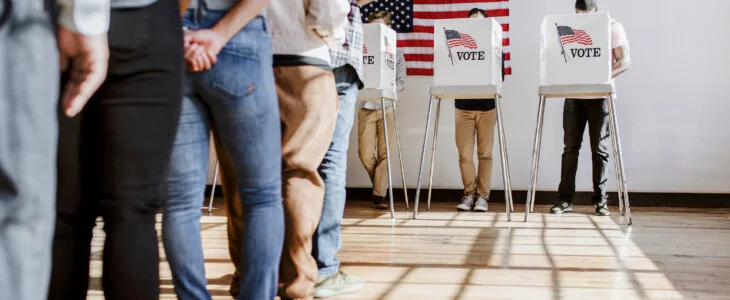
Do You Get Time Off to Vote in New York City?
The 2024 election is upon us, and if you're like many New Yorkers, you're ready to head to the polls. But with work, commutes, and busy schedules, you might wonder: Do you get time off to vote in New York City? The answer is yes, but there are a few details you...

What Does the Older Workers Benefit Protection Act Do?

How to Deal with a Toxic Boss: A Guide for Employees
Suppose you’ve been working hard, putting in extra hours, and doing your best, but instead of support, your boss constantly criticizes you. They make you feel small, their behavior is unpredictable, and the stress is starting to impact your performance. You dread going to work and feel trapped in a toxic environment....

Is Political Discrimination Legal?
With the 2024 presidential election next month, political beliefs and discussions may spill over from private conversations to workplace environments. But where do employers draw the line regarding political conduct at work? Can you be fired for your political views or activities?

Things Your Employer Must Pay You For
Many employees need to be made aware of the full range of activities and time their employer is legally required to pay for when it comes to their paychecks. Whether it’s overtime, working through breaks, or ensuring they receive their final paycheck, there are laws in place to protect their right to...

Signs You Are About to Be Fired
No one likes to feel uncertain about their job security, but there are often signs that can indicate when your employer is preparing to fire you. If you’re picking up on any of these red flags, it’s essential to understand what they might mean and how to protect yourself. This blog discusses...