
How to Protect Your Career When Reporting Misconduct
Speaking up about workplace misconduct is brave and often necessary, but can also feel risky. Many employees fear retaliation, damaged reputations, or job loss when reporting unethical or illegal behavior. However, whistleblower protections exist to safeguard your career. Understanding your rights and taking strategic steps can help you report misconduct while...
What Are Fringe Benefits vs. Benefits?
Understanding the difference between fringe and standard benefits is essential when evaluating a job offer or negotiating employment terms. While both benefits enhance employee compensation beyond base salary, they serve different purposes and have distinct legal and tax implications.
What Are Standard Benefits?Standard...
Navigating Non-Disclosure Agreements (NDAs) in Employment Settings
Non-Disclosure Agreements (NDAs) are common in employment contracts, particularly in industries where confidential information is a key asset. These agreements are designed to protect proprietary business information, trade secrets, and sensitive employee or client data. However, NDAs can also raise concerns about enforceability, employee rights, and compliance with evolving laws in...
How to Document Discrimination in the Workplace: A Practical Guide
Workplace discrimination can be subtle or overt, but documenting incidents is essential for protecting your rights regardless of how it manifests. Whether you are experiencing discrimination based on race, gender, age, disability, or another protected category, a well-documented record can strengthen your case if you decide to report the issue or...
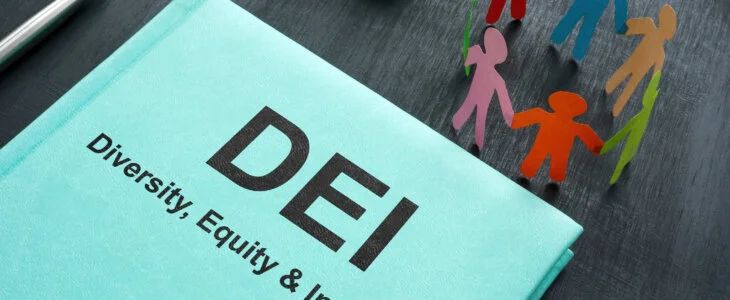
Overcoming Challenges of Maintaining a DEI Program in the Workplace
Due to new executive orders and corporate actions that have eliminated DEI programs, DEI (Diversity, Equity, and Inclusion) has become a hot-button issue. While many organizations remain committed to creating more inclusive, diverse workplaces, shifting political and legal winds are forcing companies to rethink their approach to DEI initiatives.

How to Challenge a Wrongful Termination in New York: A Step-by-Step Guide
Last Updated: February 13, 2026
Key Takeaways - New York is an at-will employment state, but employers cannot terminate employees for discriminatory, retaliatory, or otherwise illegal reasons.- Wrongful termination may involve discrimination, retaliation, breach of contract, or firing in violation of...
The Role of Employment Lawyers in Workplace Mental Health Initiatives
Workplace mental health is no longer just a personal concern—it’s a business imperative. Employees are the heart of any company; when mental health is overlooked, productivity, morale, and overall workplace culture suffer. As employment lawyers, we’ve seen firsthand how legal protections and proactive policies can foster a healthier, more supportive work...

Top Five Misconceptions About At-Will Employment in New York

Understanding the New York City Human Rights Law and Its Impact on Employment
While we would all love for our workplaces to foster growth, inclusion, and respect, too many of us would simply be satisfied with being treated like a living, breathing human being–without fear of prejudice or mistreatment. Yet, when discrimination or harassment creeps into the workplace, the consequences ripple out into the rest...

Navigating the Complexities of Non-Compete Agreements in the Tech Industry
Many companies use non-compete agreements as part of their standard employment contract. A non-compete agreement or covenant not to compete is a legally binding agreement where one party promises not to engage in activities that compete with the other party. Usually, an employee is the person promising not to compete....